Handcrafted spherical vessel by Glenn Dane, turned from storm-fallen beech and finished with iron oxide earth pigment. The heavily textured surface in shades of terracotta gives the piece an ancient, weathered and organic quality.
-
Date / Era: Contemporary
Material: Storm-fallen beech, iron oxide earth pigment
Dimensions: W 14 x D 14 x H 14 cm
Signed: Unsigned
Condition: Excellent
ABOUT THE ARTIST
Originally from Belfast, Glenn Dane lives and works in Cambridgeshire, UK, where he creates vessels and sculptural forms from locally sourced, sustainably harvested wood.
Dane works with freshly cut, green wood, allowing the natural drying process to influence the final form. As the timber settles, it can warp, crack and twist unpredictably, with knots, fissures, growth marks and variations in grain retained as integral features of each piece.
His practice is an instinctive collaboration with the material, allowing the character and movement of the timber to guide the work. Cracks may be carefully stitched as visible acts of repair, embracing fragility and imperfection rather than concealing them. Surfaces are finished using handmade dyes, inks and pigments derived from foraged plants, seeds and earth, creating richly textured sculptural forms that reflect the natural landscape from which the materials originate.
Handcrafted spherical vessel by Glenn Dane, turned from storm-fallen beech and finished with iron oxide earth pigment. The heavily textured surface in shades of terracotta gives the piece an ancient, weathered and organic quality.
-
Date / Era: Contemporary
Material: Storm-fallen beech, iron oxide earth pigment
Dimensions: W 14 x D 14 x H 14 cm
Signed: Unsigned
Condition: Excellent
ABOUT THE ARTIST
Originally from Belfast, Glenn Dane lives and works in Cambridgeshire, UK, where he creates vessels and sculptural forms from locally sourced, sustainably harvested wood.
Dane works with freshly cut, green wood, allowing the natural drying process to influence the final form. As the timber settles, it can warp, crack and twist unpredictably, with knots, fissures, growth marks and variations in grain retained as integral features of each piece.
His practice is an instinctive collaboration with the material, allowing the character and movement of the timber to guide the work. Cracks may be carefully stitched as visible acts of repair, embracing fragility and imperfection rather than concealing them. Surfaces are finished using handmade dyes, inks and pigments derived from foraged plants, seeds and earth, creating richly textured sculptural forms that reflect the natural landscape from which the materials originate.

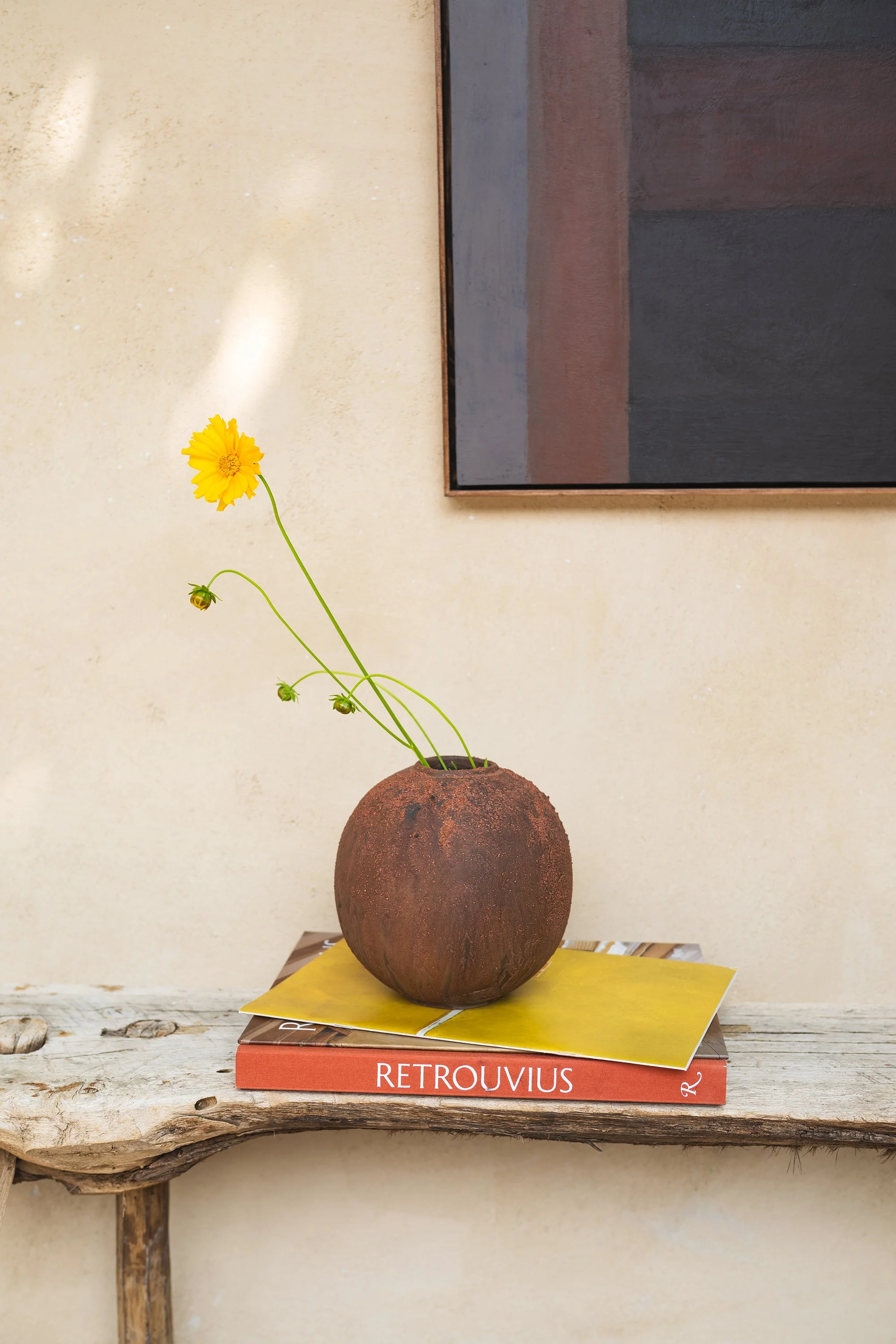 Image 1 of 6
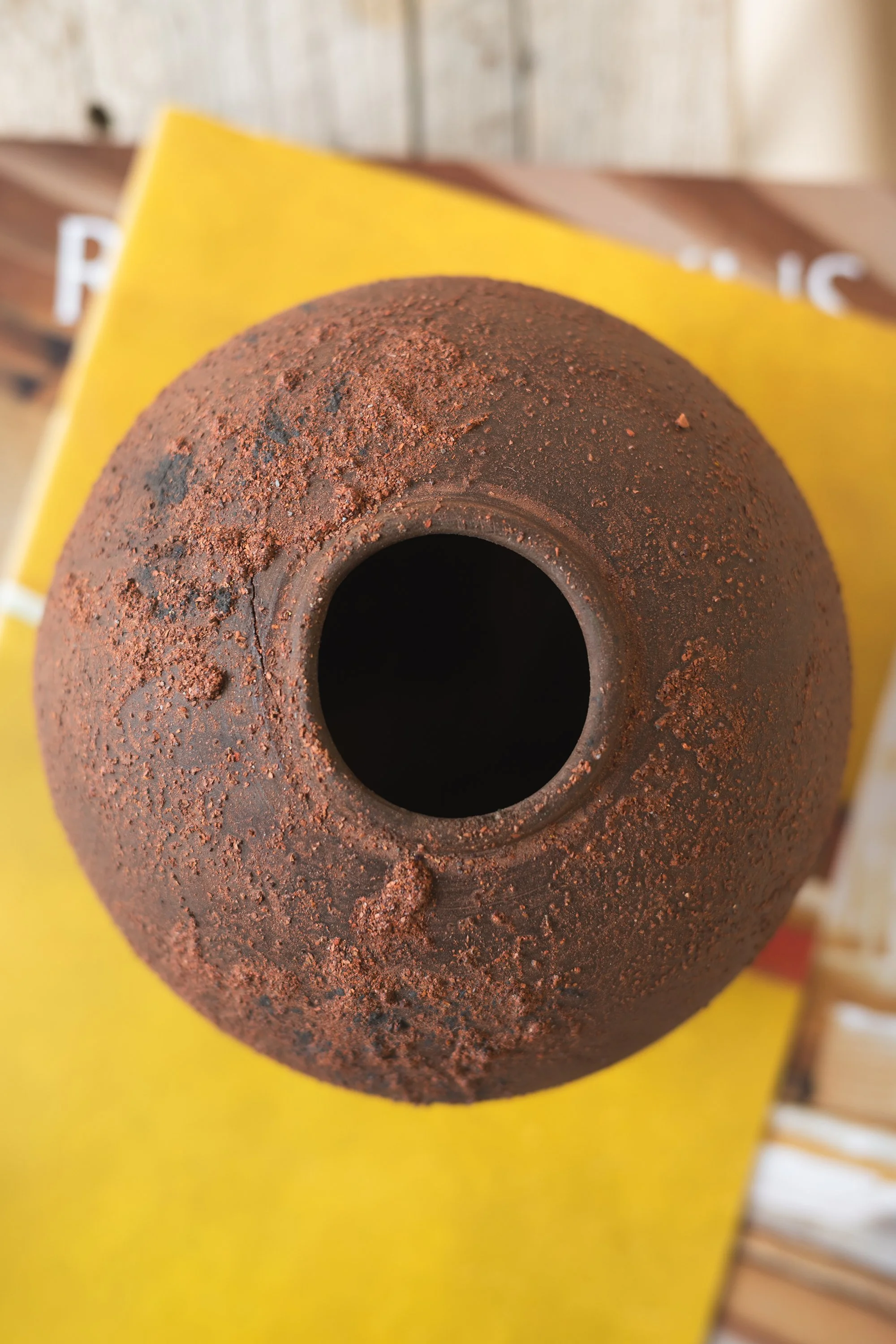 Image 2 of 6
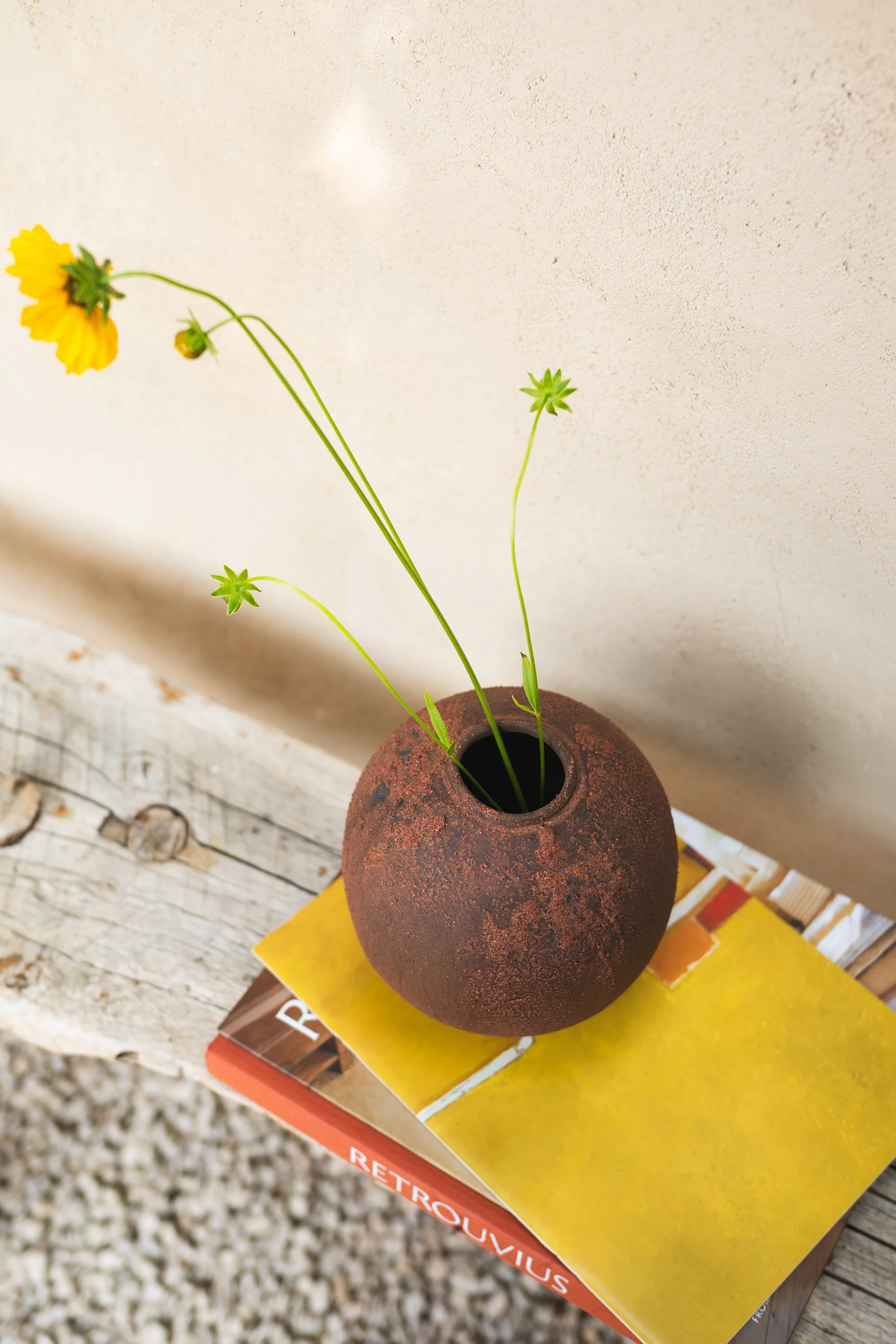 Image 3 of 6
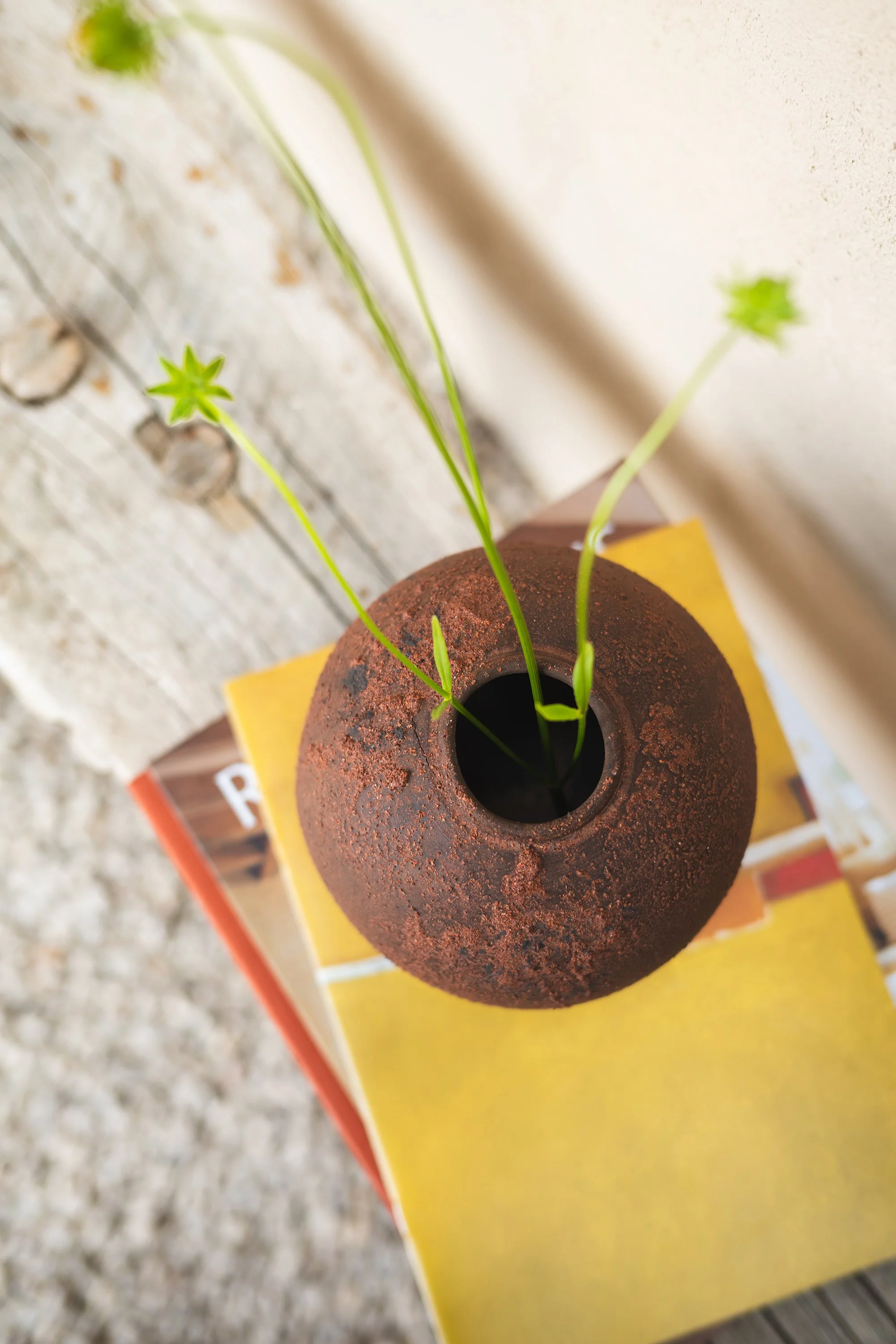 Image 4 of 6
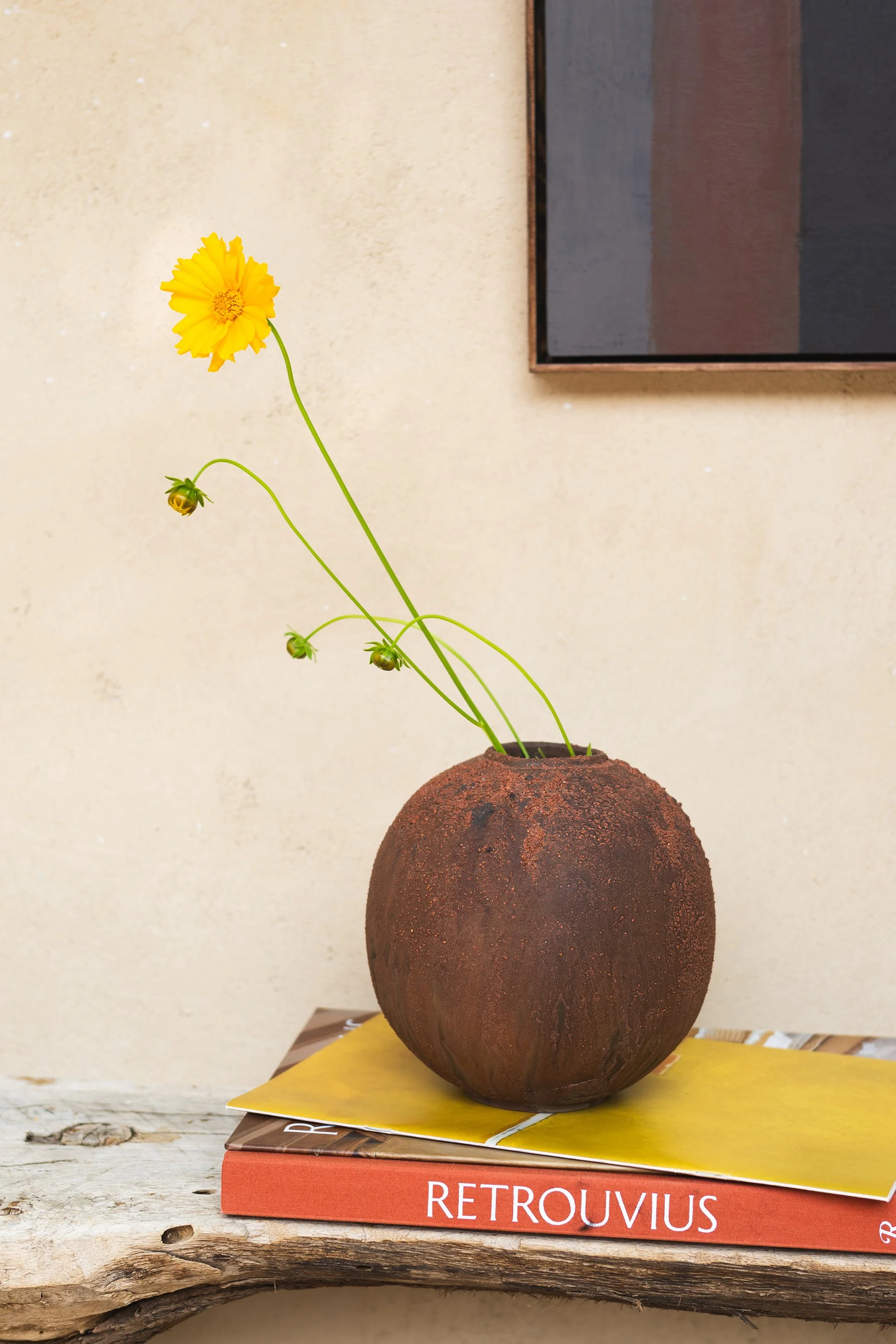 Image 5 of 6
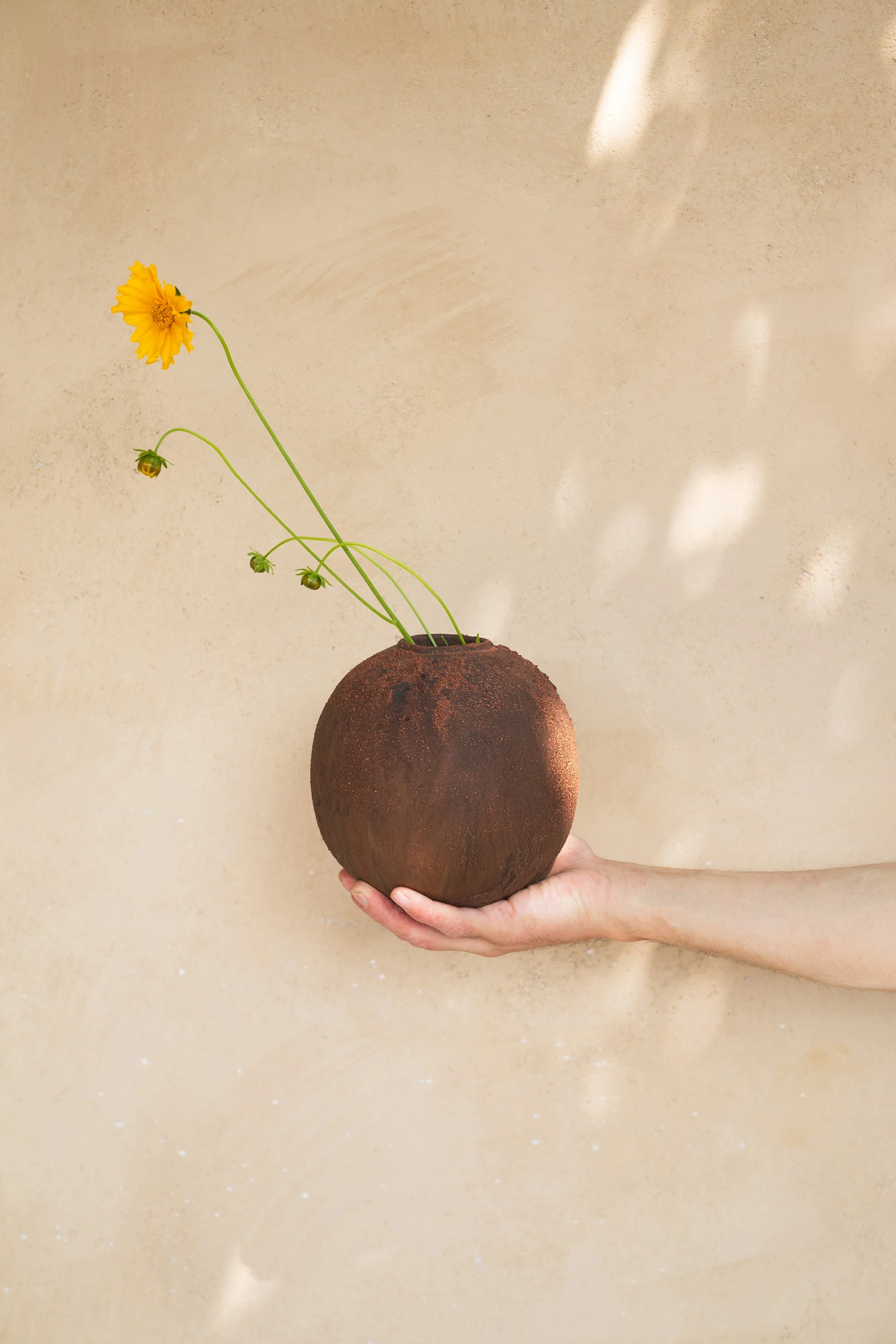 Image 6 of 6