Ron Caines, Bonnard’s Room, oil on board. A modernist-inspired geometric abstraction composed of vertical and horizontal lines and rectangular planes of colour that overlap and interact. Yellows, greens, blues, pinks and muted earth tones form a vibrant yet modulated palette. Close-mounted in a tulip box frame hand-painted in ‘Acorn/’ (Little Greene) and finished with AR70 anti-reflective glass. Professionally framed by Heron Framing, Falmouth.
Signed
-
Medium: Oil on Board
Size: W 37.5 x H 24 cm (artwork dimensions)
Framing: Close-mounted in a tulip box frame hand-painted in ‘Acorn’ (Little Greene) and finished with AR70 anti-reflective glass. Professionally framed by Heron Framing, Falmouth.
Condition: Good
Signed: Front
ABOUT THE ARTIST
Ron Caines is a British artist and musician whose practice has moved fluidly between painting and experimental music. Born in Bristol, he studied painting at the West of England College of Art and at Bristol University, where he was taught by the abstract painter Paul Feiler and received recognition for his work from leading figures including Jack Smith and Professor Andrew Forge.
Caines’ early work was rooted in an abstract expressionist, collage-based approach, informed by the energy and improvisational spirit of contemporary New York jazz. Rejecting the surface appeal of Pop Art, the reductive tendencies of Minimalism, and the anti-painting stance of Conceptual art, he developed a practice grounded in process, gesture, and direct engagement with materials.
In the late 1960s and early 1970s, he became closely involved in the countercultural music scene, most notably as a founding member of the experimental band East of Eden, an influential group that fused jazz, rock, and improvisation . This period reflected a continuation of his artistic concerns, with improvisation and immediacy central to both his visual and musical work.
Returning to painting in the late 1970s, Caines shifted toward a more direct engagement with landscape, producing watercolours painted largely on location, particularly in Italy. These works retain the spontaneity of his earlier abstract practice while embracing observation and place.
Across both disciplines, Caines’ work is unified by an interest in improvisation as a mode of thinking and making, whether in paint or sound – emphasising process, presence, and the unfolding moment.
Ron Caines, Bonnard’s Room, oil on board. A modernist-inspired geometric abstraction composed of vertical and horizontal lines and rectangular planes of colour that overlap and interact. Yellows, greens, blues, pinks and muted earth tones form a vibrant yet modulated palette. Close-mounted in a tulip box frame hand-painted in ‘Acorn/’ (Little Greene) and finished with AR70 anti-reflective glass. Professionally framed by Heron Framing, Falmouth.
Signed
-
Medium: Oil on Board
Size: W 37.5 x H 24 cm (artwork dimensions)
Framing: Close-mounted in a tulip box frame hand-painted in ‘Acorn’ (Little Greene) and finished with AR70 anti-reflective glass. Professionally framed by Heron Framing, Falmouth.
Condition: Good
Signed: Front
ABOUT THE ARTIST
Ron Caines is a British artist and musician whose practice has moved fluidly between painting and experimental music. Born in Bristol, he studied painting at the West of England College of Art and at Bristol University, where he was taught by the abstract painter Paul Feiler and received recognition for his work from leading figures including Jack Smith and Professor Andrew Forge.
Caines’ early work was rooted in an abstract expressionist, collage-based approach, informed by the energy and improvisational spirit of contemporary New York jazz. Rejecting the surface appeal of Pop Art, the reductive tendencies of Minimalism, and the anti-painting stance of Conceptual art, he developed a practice grounded in process, gesture, and direct engagement with materials.
In the late 1960s and early 1970s, he became closely involved in the countercultural music scene, most notably as a founding member of the experimental band East of Eden, an influential group that fused jazz, rock, and improvisation . This period reflected a continuation of his artistic concerns, with improvisation and immediacy central to both his visual and musical work.
Returning to painting in the late 1970s, Caines shifted toward a more direct engagement with landscape, producing watercolours painted largely on location, particularly in Italy. These works retain the spontaneity of his earlier abstract practice while embracing observation and place.
Across both disciplines, Caines’ work is unified by an interest in improvisation as a mode of thinking and making, whether in paint or sound – emphasising process, presence, and the unfolding moment.

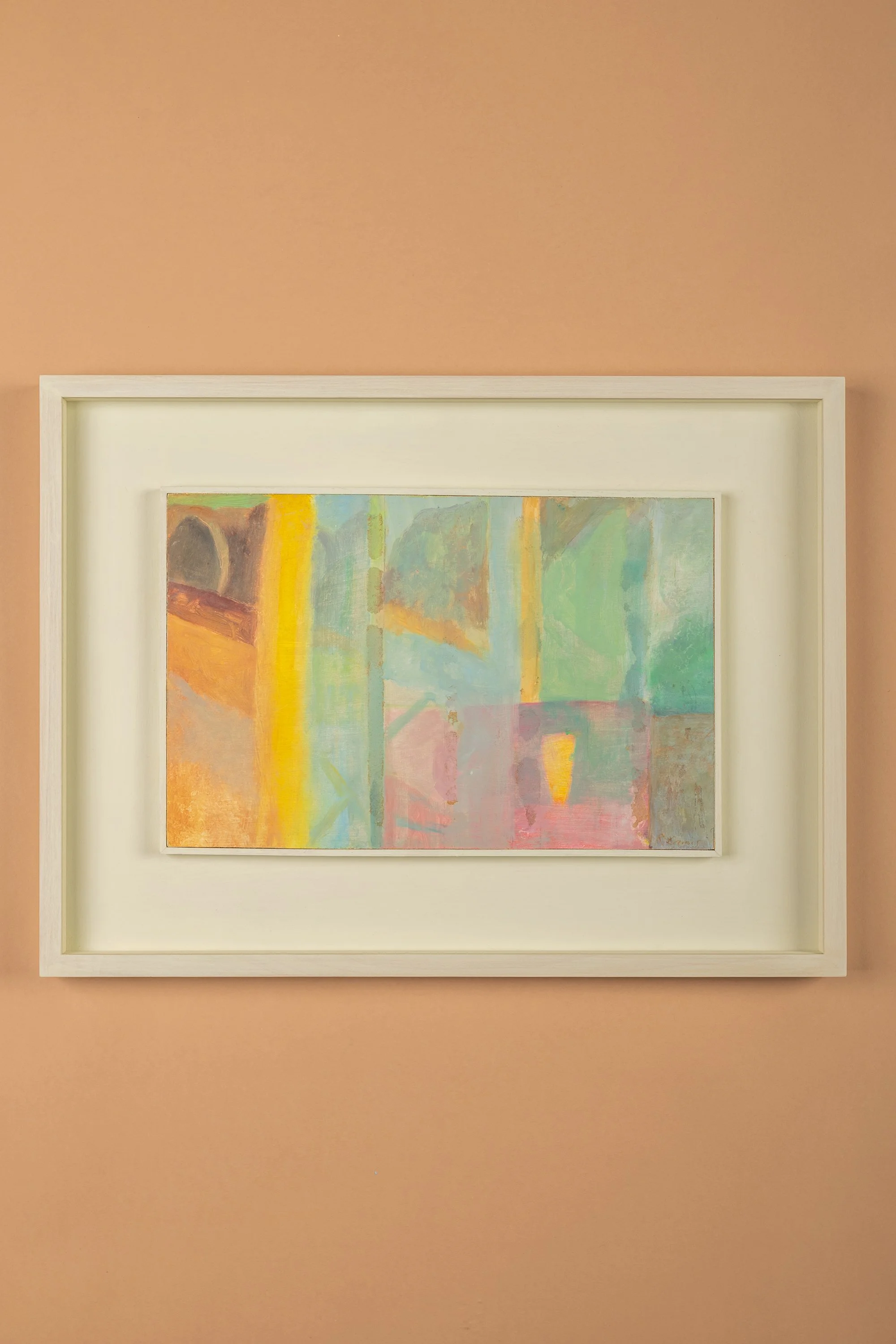 Image 1 of 7
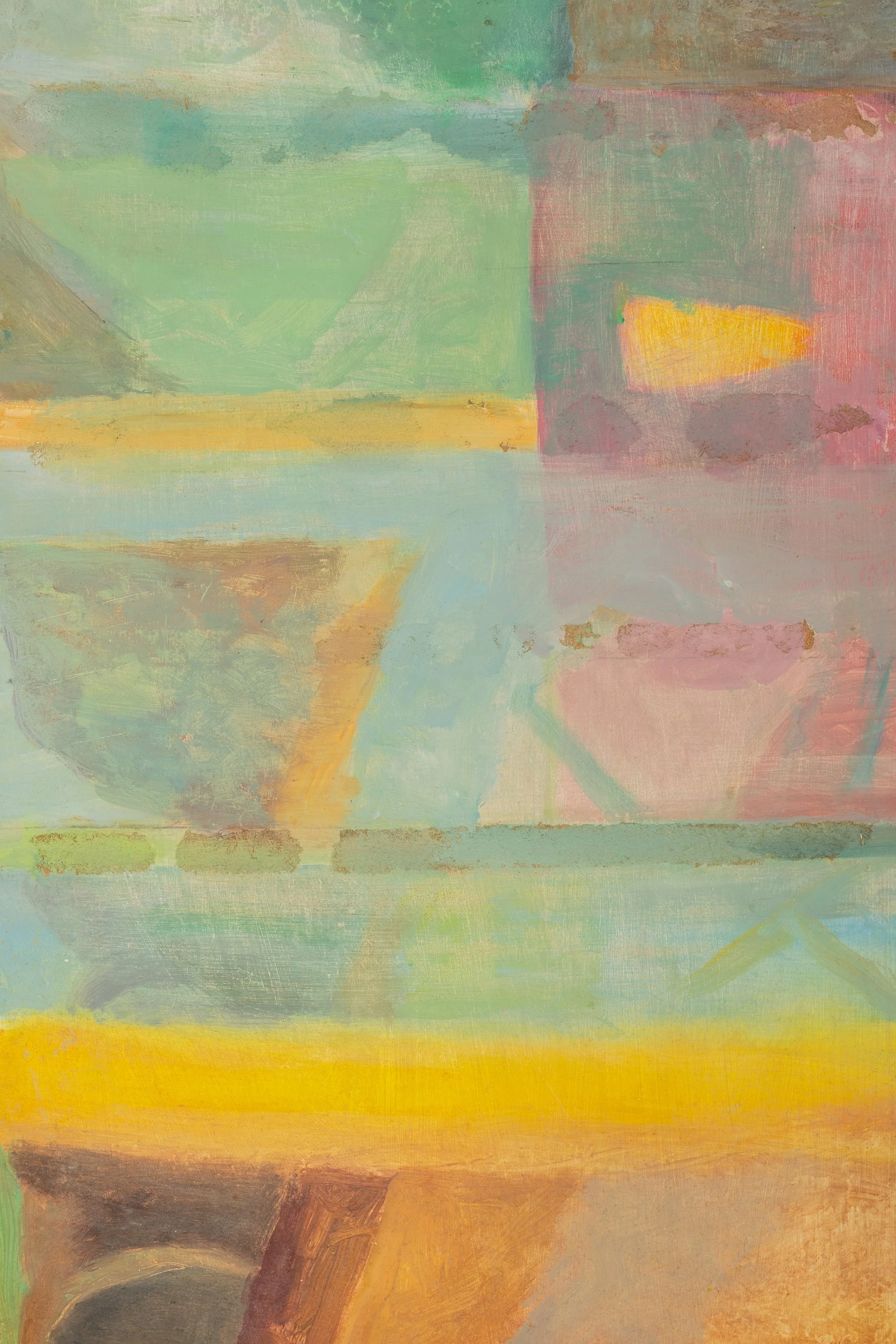 Image 2 of 7
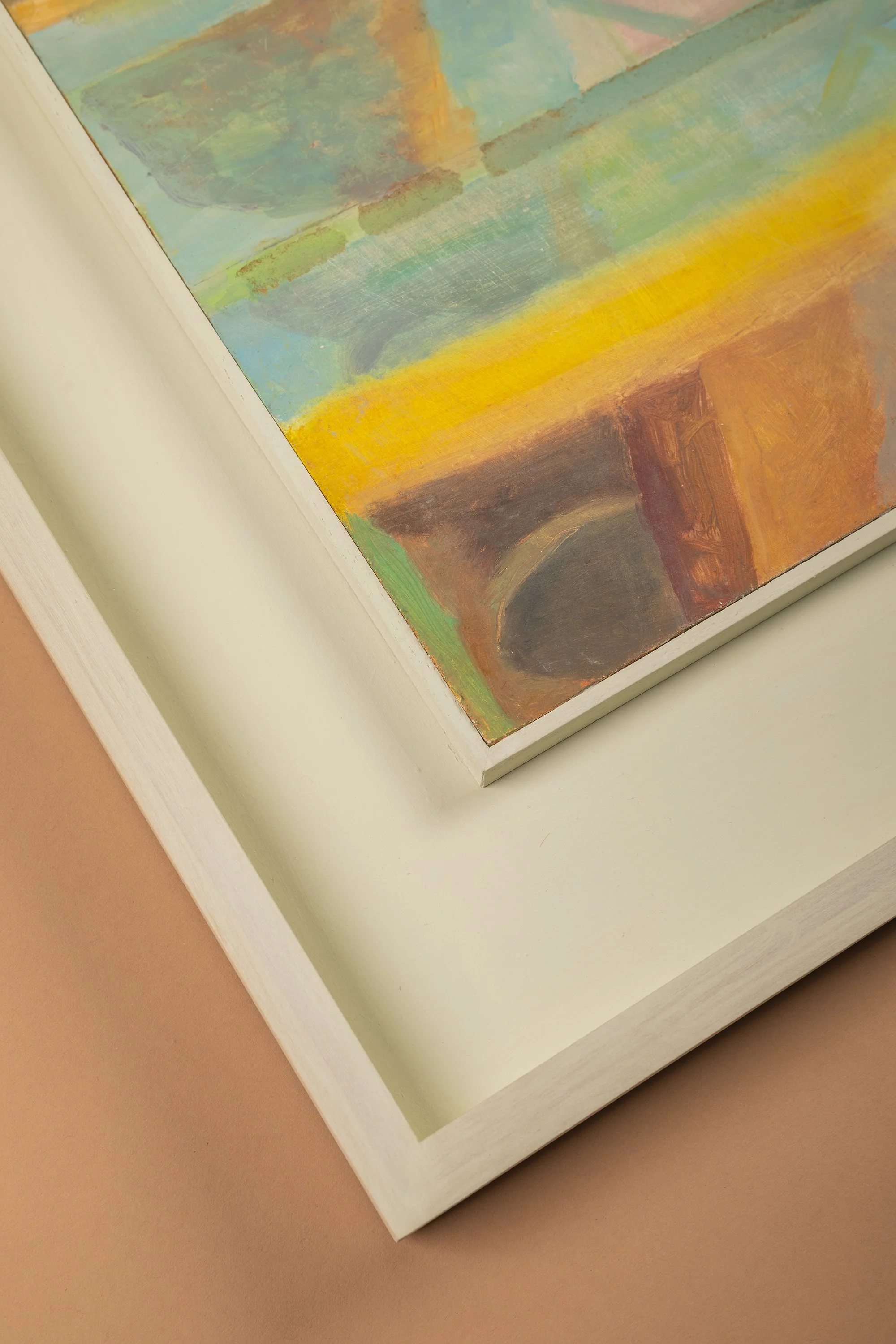 Image 3 of 7
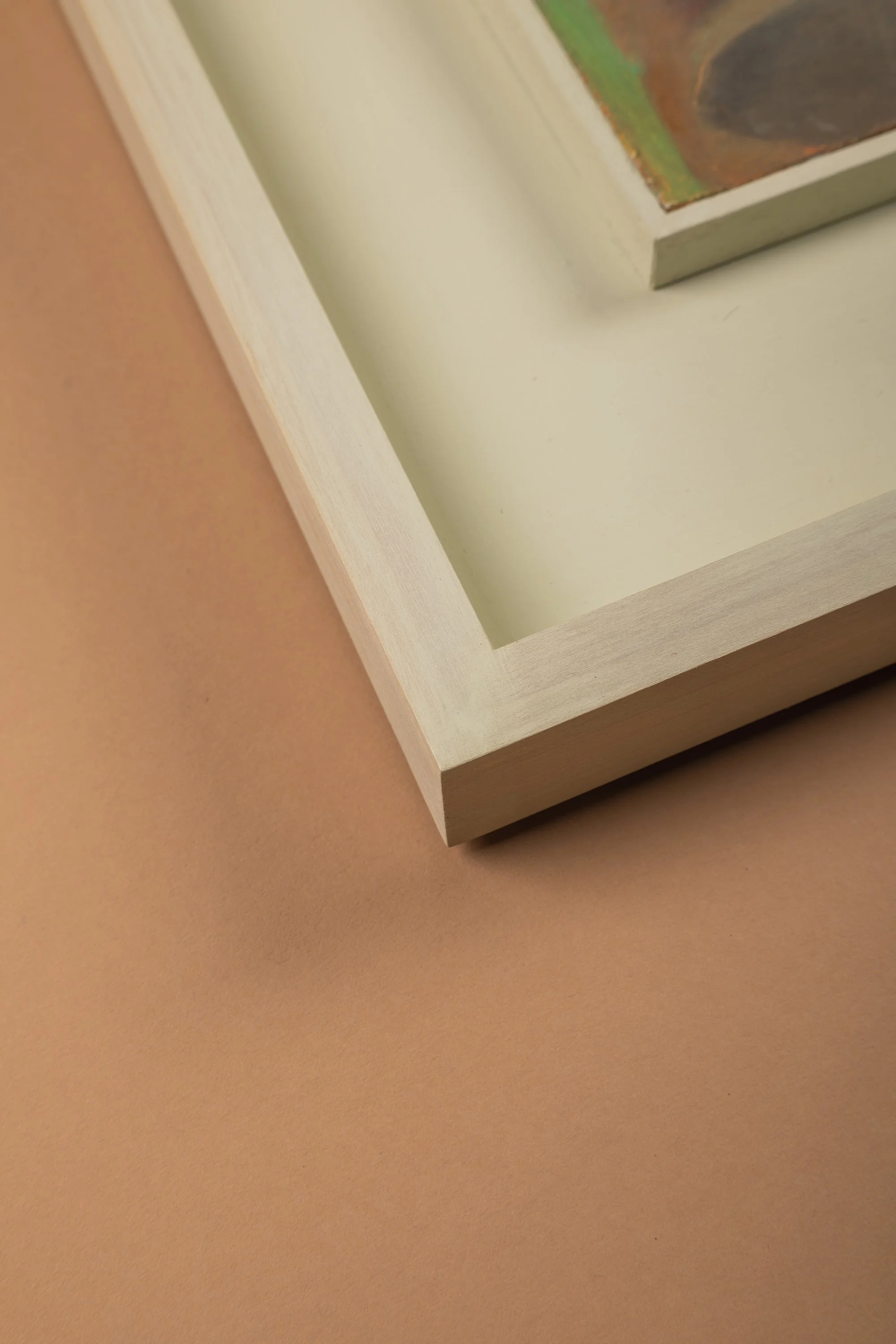 Image 4 of 7
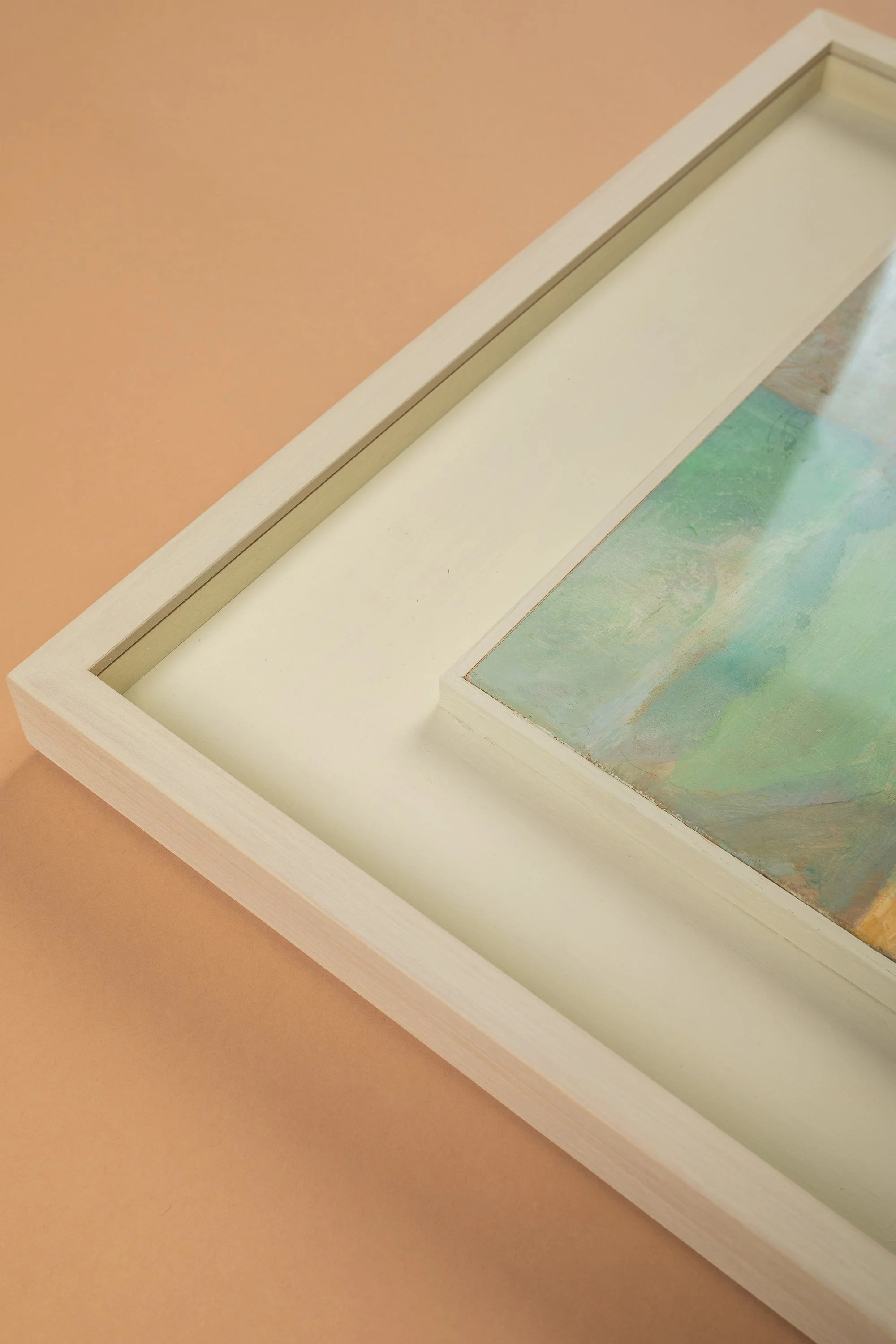 Image 5 of 7
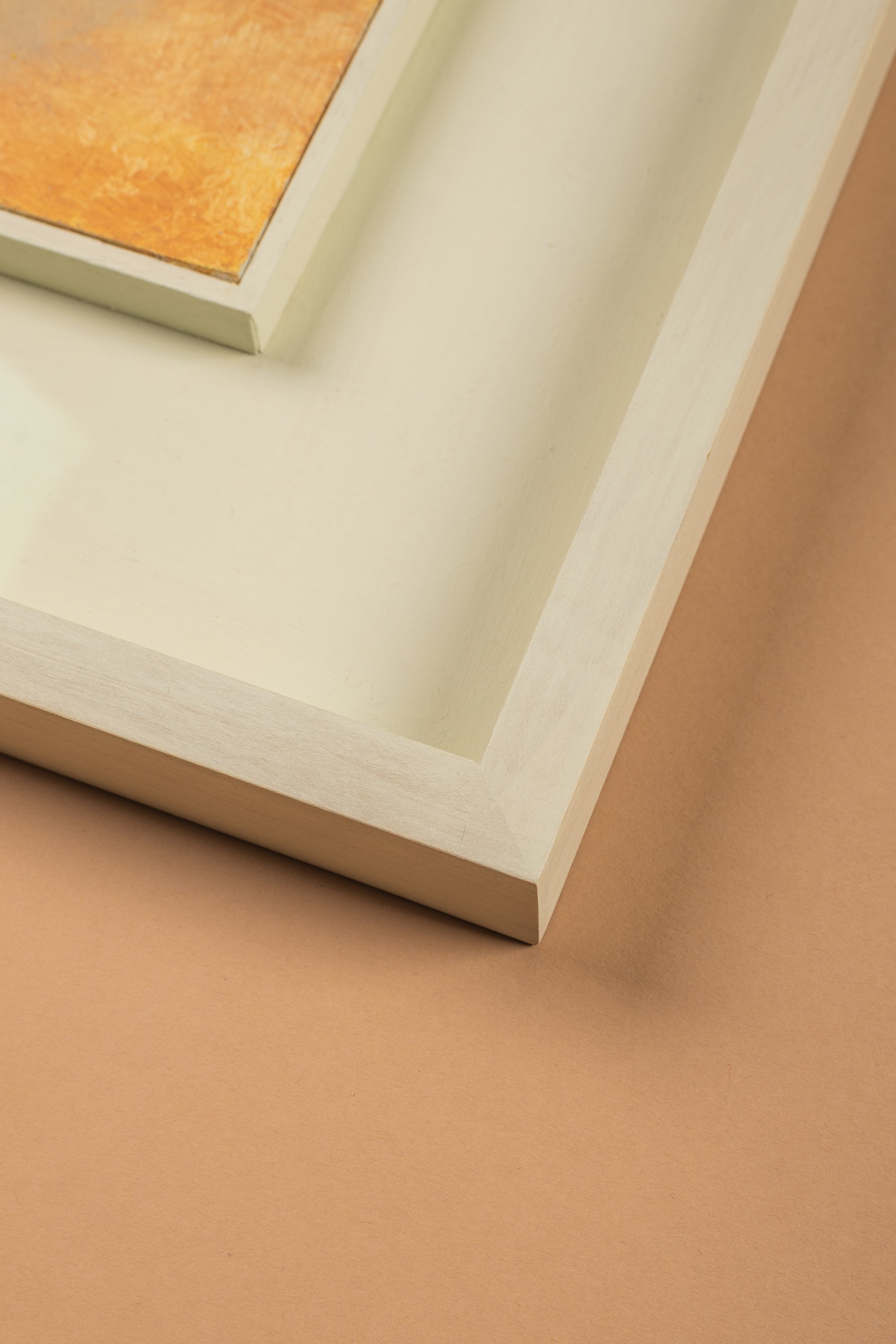 Image 6 of 7
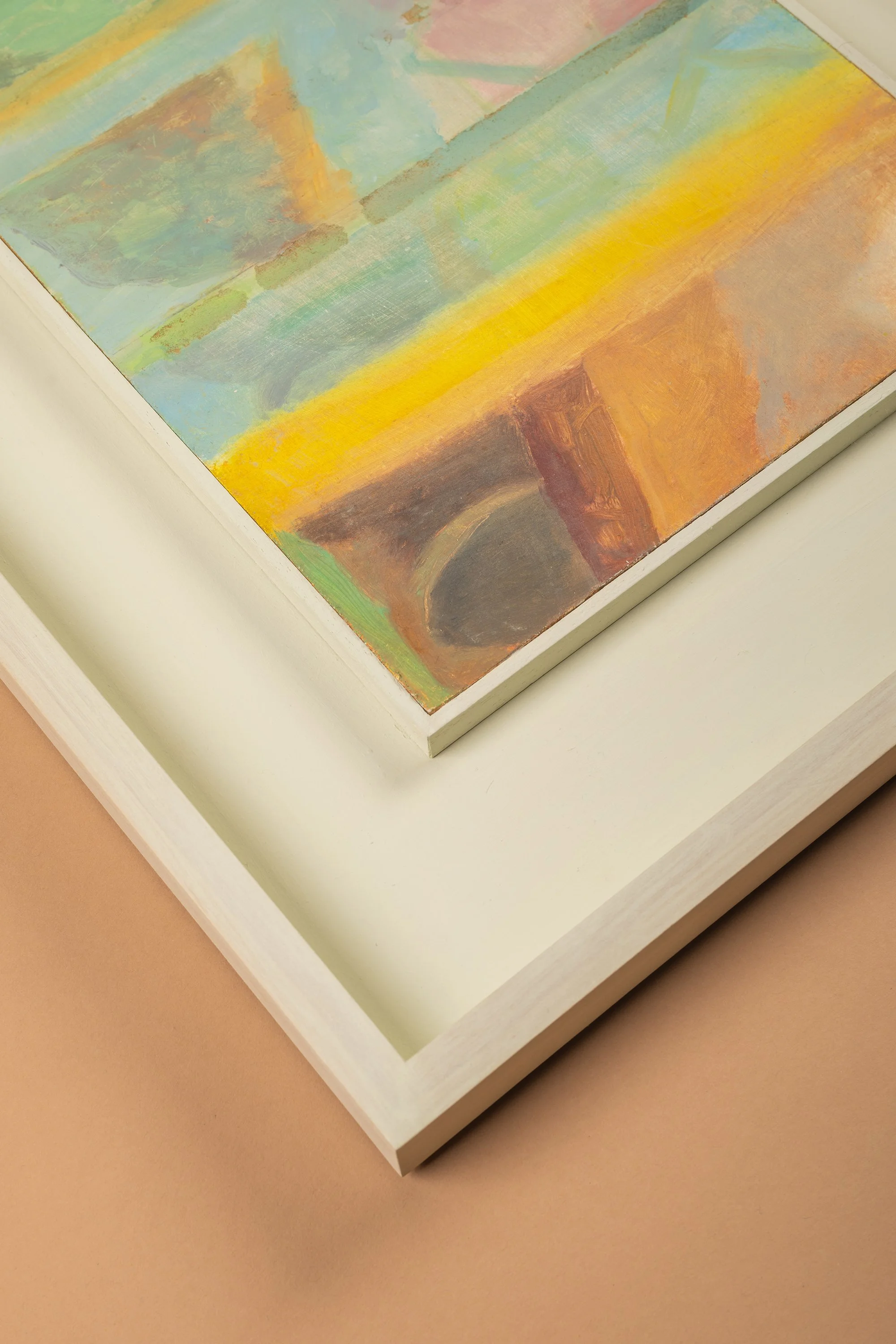 Image 7 of 7